 The money in our family is family money… really. It is one big pot that each takes from as needed. This is radically different from the independent model my parents used to raise me. I did chores for which I got a salary. I suppose the idea here is to prepare their child for the employer / employee relationship that lay ahead.
That was not to be my model for raising my kids. Everyone still does the chores, but not as a job. Each of us just pitches in and does what needs doing that day. Sharing responsibilities as a group feels much more connected and egalitarian. This works best when each person takes on what they are most naturally capable of doing. Chapter 17 was my model, When his task is accomplished and his work done, the people all say, “It happened to us naturally”.

Nature and my experience tell me that turning over as much responsibility to people as they can handle, regardless of their age, makes them feel more responsible. This definitely helps make life feel more meaningful. I assume that was my parent’s intention, but they just didn’t understand that their approach often worked against this. Having an opportunity to feel shared responsibility is a most organic way to feel connected to one’s group. And this nurtures life satisfaction and mental health. No doubt, the failure of modern culture to offer children this opportunity helps make drugs a compelling pursuit.
Over the years, I’ve noticed a common cultural trend to not delegate responsibility, but maintain control instead. I guess this stems from an innate paternalistic and materialistic need to manage situations “better”, i.e., protect us from ourselves, and any mistakes we might make. The fact is, control and responsibility are inseparable. Giving a person more responsibility means giving them control and the freedom to stumble, make mistakes… and learn in the process!
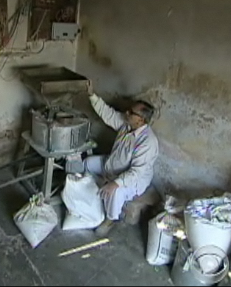
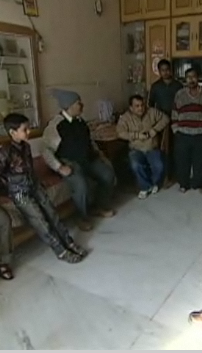
Google [CBS News 4 Generations Under One Roof in India] for a report about a 78-year-old blind man who accepts his disability and feels his way to work every day. He lives comfortably with his 13 family members in India who all share one bank account!
This story helps reveal something our culture has abandoned in its obsessive pursuit of personal independence and self-reliance. As a result, we ironically seem more inclined to avoid personal responsibility, and instead point the finger and litigate. Ironically, our culture is becoming a ‘nanny state’ in the process. All this, and a deepening sense of disconnection, is the natural and inevitable result of wealth. (See Poor Thais and Rich Swedes, p.115)
To be fair, our country is not alone in this. My point is that the virtue of independence is an illusion. We are a socially interdependent species. Pushing an essentially un-natural virtue of independence must backfire eventually. So why do we do this? I imagine this is a natural and predictable result of a modern society structured to meet the needs of a capitalist, consumer oriented, growth-based civilization. Well, cancer is growth-based too. Oops! As chapter 30 warns, A creature in its prime doing harm to the old, is known as going against the way. That which goes against the way will come to an early end. Nothing qualifies better than Nature as the old. Nature is not growth-based… It is balance-based. Global warming may be the least of our problems going forward. Even so, Mother Nature will rebalance everything in the end.